
AI animation styles
AI animation styles: one story, any look
Every style on this page is a preset in the Insaga studio. You pick it before the first frame is drawn, and every shot, character sheet and location of your story follows it. To compare them fairly, each style below shows the same scene: a woman in a red coat on a rainy rooftop.
100 free credits · no card
23 core styles, one heroine
Open a style to see full scenes, what videos it suits, how to get the look in the studio and how it differs from its neighbours.
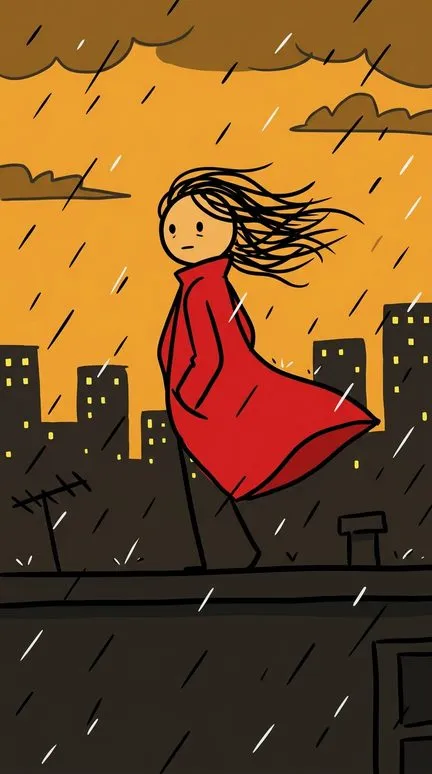 Stickman
Stick figures with rubbery limbs and huge reactions, for storytime, psychology and comedy explainers.
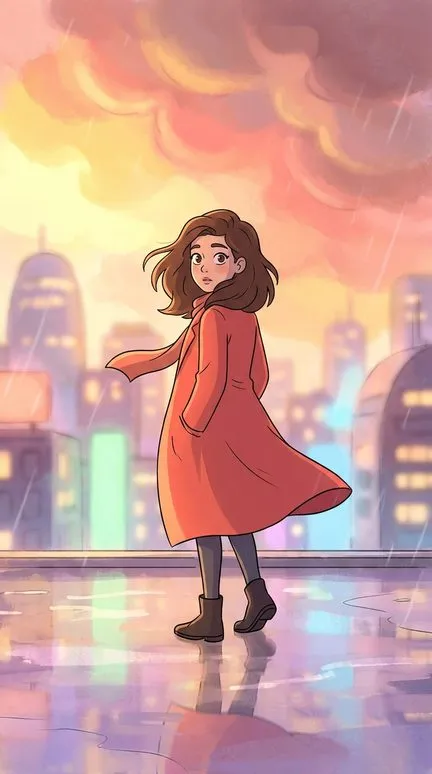 2D Animation
Clean outlines, soft cel shading and painted backgrounds, for fairy tales, adventures and kids' series.
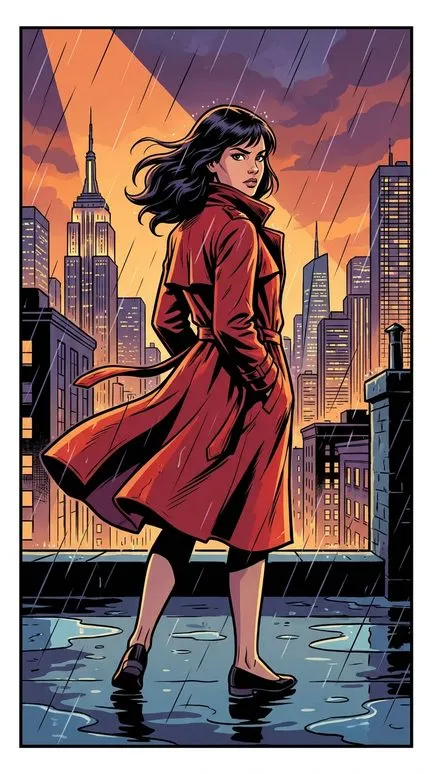 Classic Comics
Bold ink, flat bright colour and heroic poses for action stories and a superhero of your own.
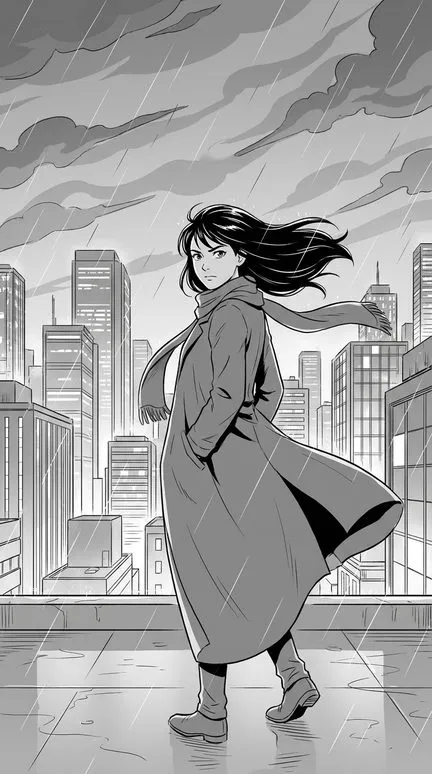 Manga
MangaBlack-and-white manga panels with screentone, for drama, romance and samurai stories told in voiceover.
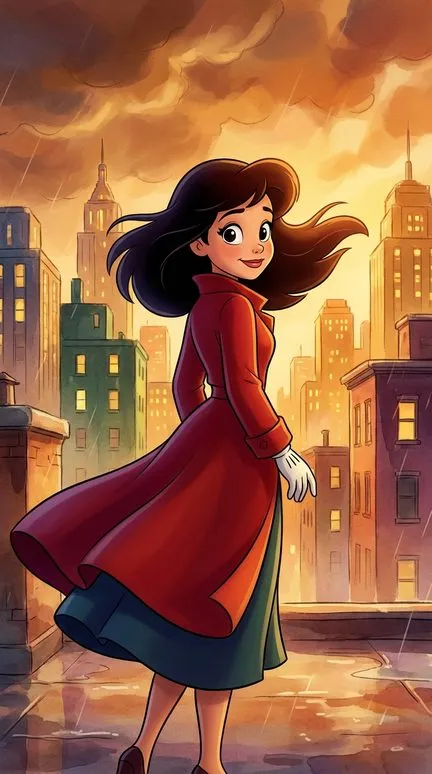 Classic Cartoon
Golden-age cartoon look: squash and stretch, white gloves and painted backdrops, for slapstick and fables.
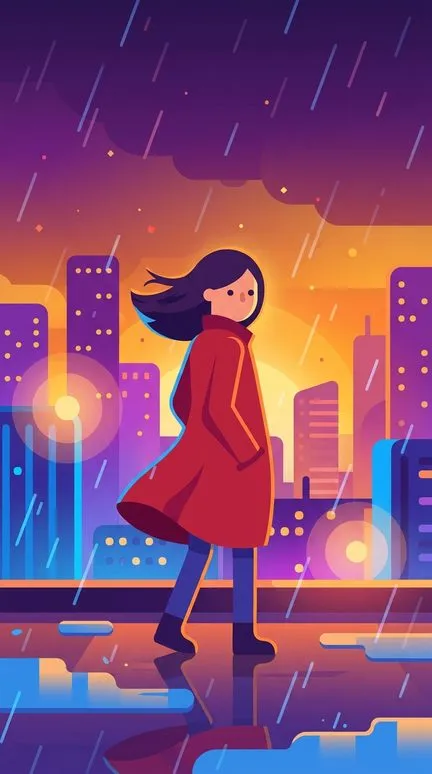 Kurzgesagt Style
Flat shapes, no outlines, glowing color: the look of science explainers about space, biology and scale.
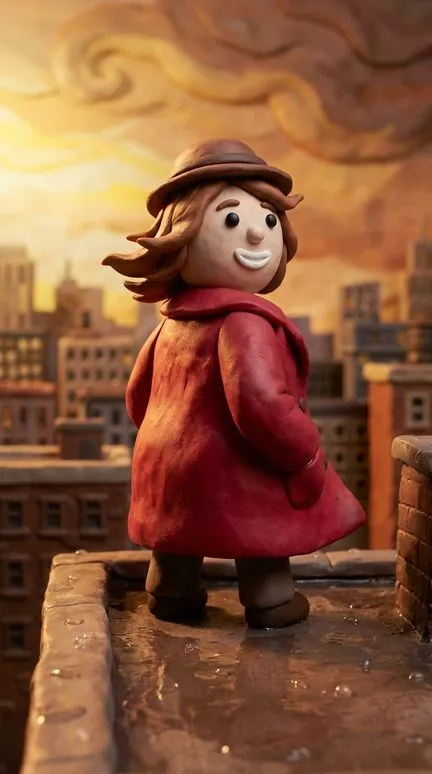 Claymation
Plasticine characters with fingerprints on miniature sets, for cozy tales, holiday stories and dark fables.
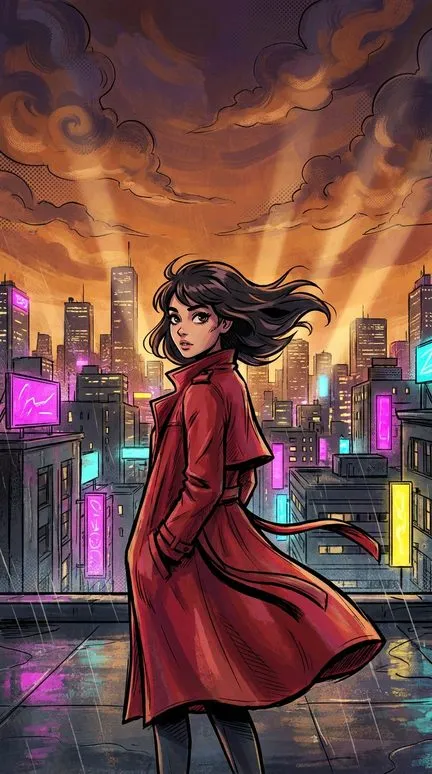 2.5D Spider-Verse
Comic-book ink over cinematic volume and neon color, for action, superhero and cyberpunk stories.
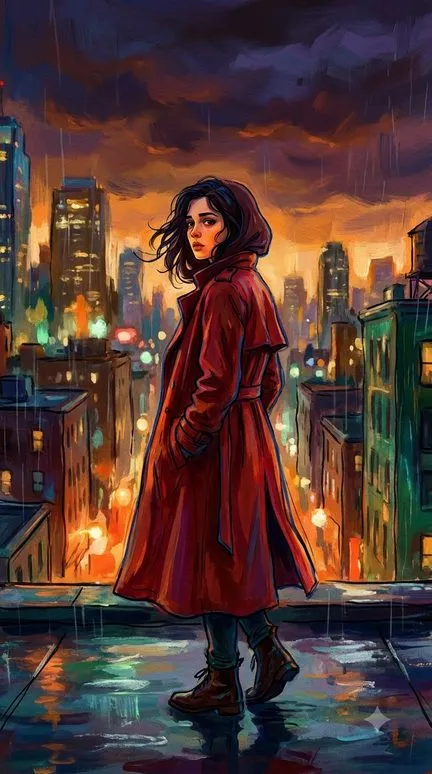 Rotoscopy
Painted-over-reality look with living outlines for conversations, dreams, memories and monologues.
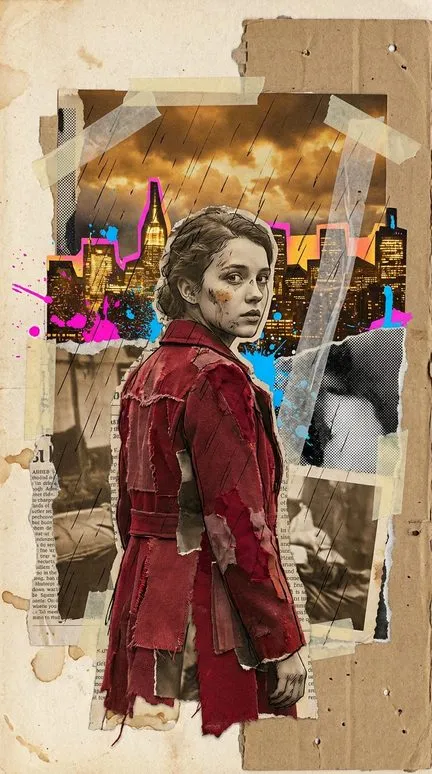 Collage Animation
Torn paper, old photos, newspaper clippings and tape, for history essays, travel stories and investigations.
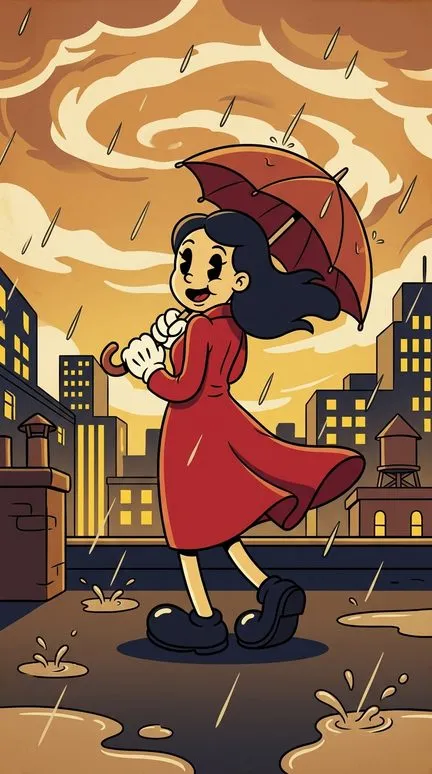 Modern Rubber Hose
1930s cartoon anatomy with clean modern lines: pie-cut eyes, noodle limbs, white gloves, vintage color.
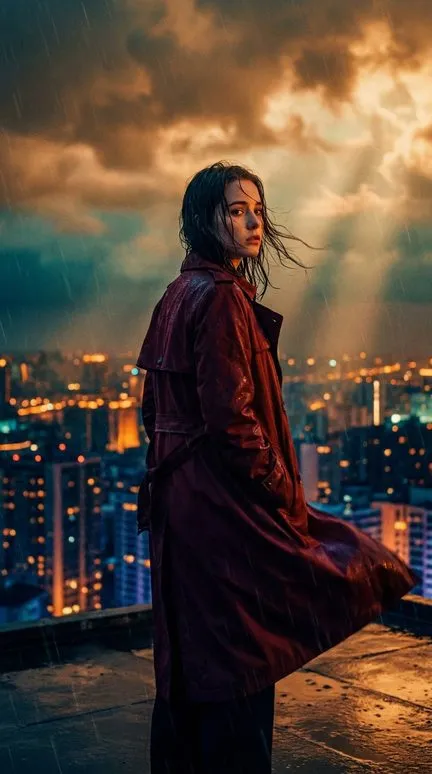 Cinematic
Film lighting and color grading for short films, trailers and dramatic retellings.
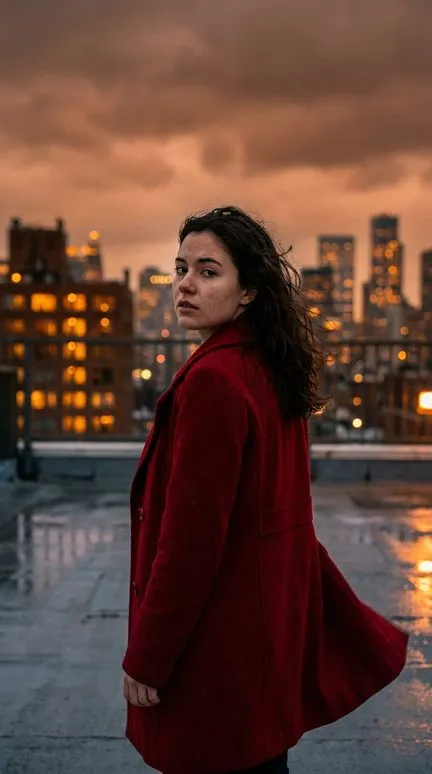 Realism
Photographic detail and natural light for true stories, life stories and documentary-style narration.
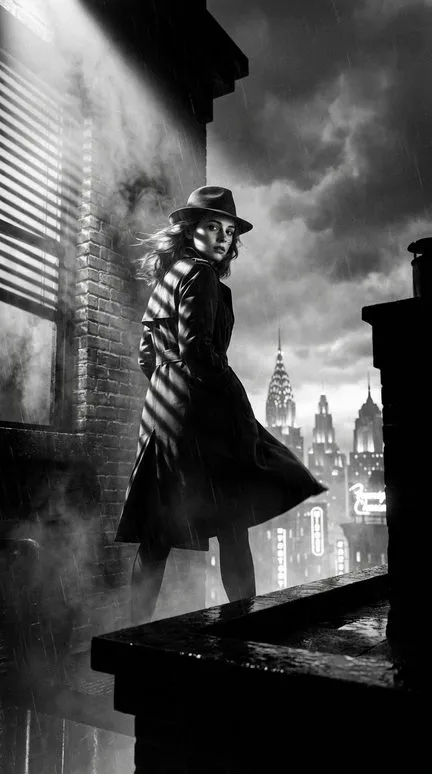 Noir
NoirBlack-and-white film noir for detective stories, true crime and night-city mysteries.
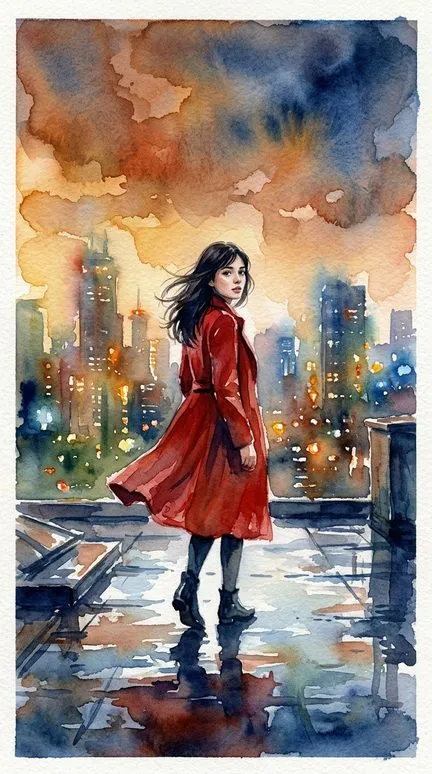 Watercolor
Soft transparent washes for bedtime stories, poems, travel diaries and calm narration.
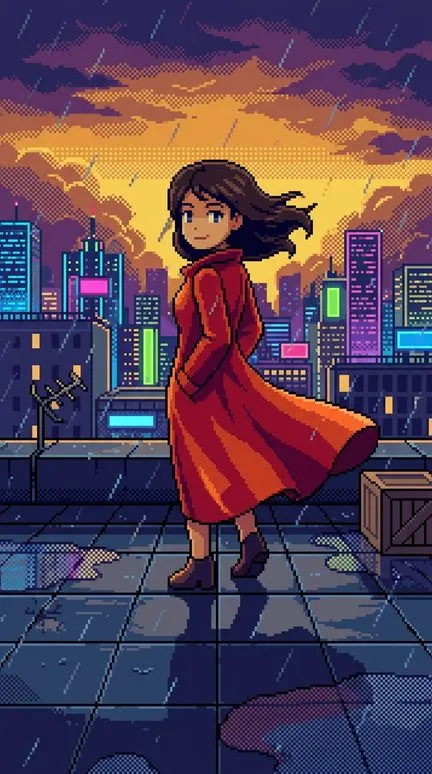 Pixel Art
16-bit pixels, dithering and a curated palette, for game lore, retro sci-fi and stories told like an RPG.
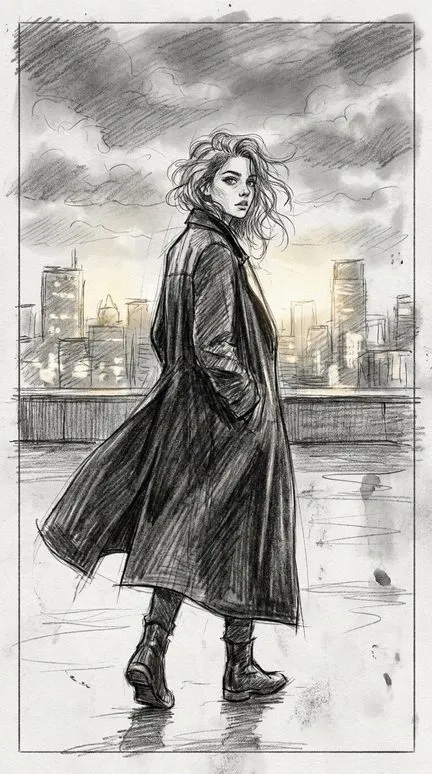 Sketch
Graphite pencil with cross-hatching and visible construction lines, for biographies, essays and storyboards.
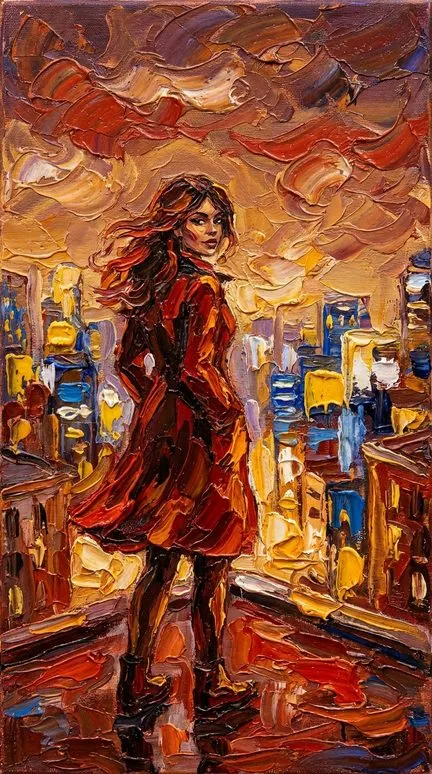 Oil Painting
Thick impasto and golden light for myths, legends, epic history and the stories behind paintings.
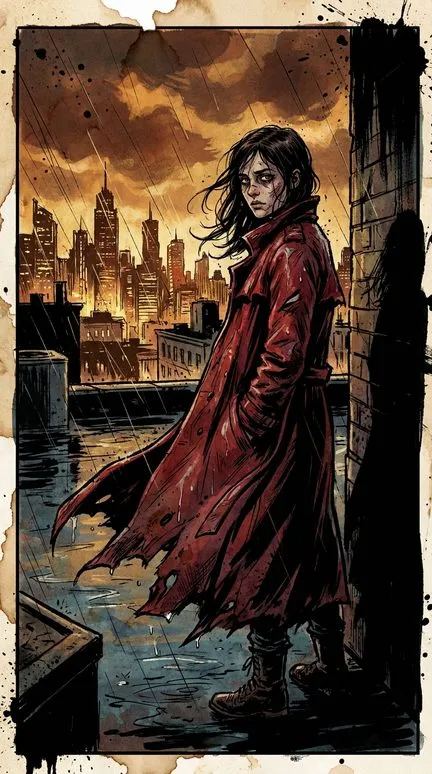 Dirty Comics
Gritty ink, heavy shadow and neon in the rain, for crime, horror and dark folk tales told to adults.
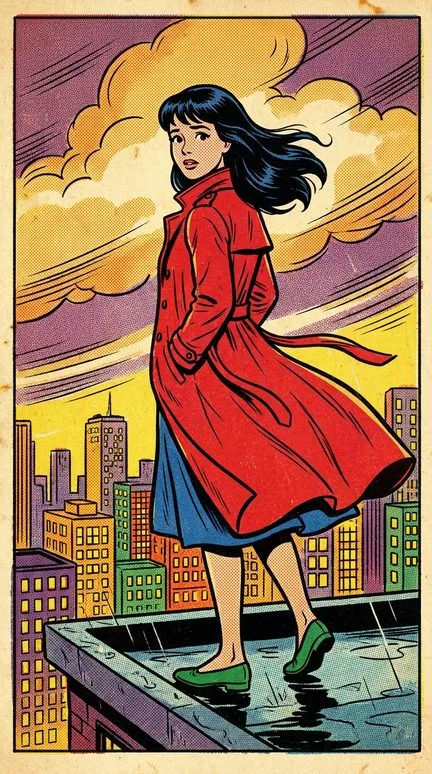 Retro Comics
1950s comic pages with halftone dots and yellowed paper, for pulp adventure and mid-century history.
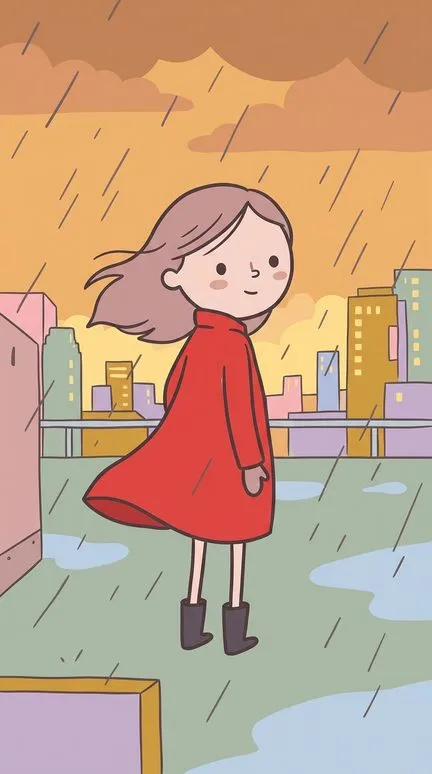 Quirky Minimalist
Big heads, dot eyes and wobbly lines in muted pastels, for calm essays, reflections and dry humor.
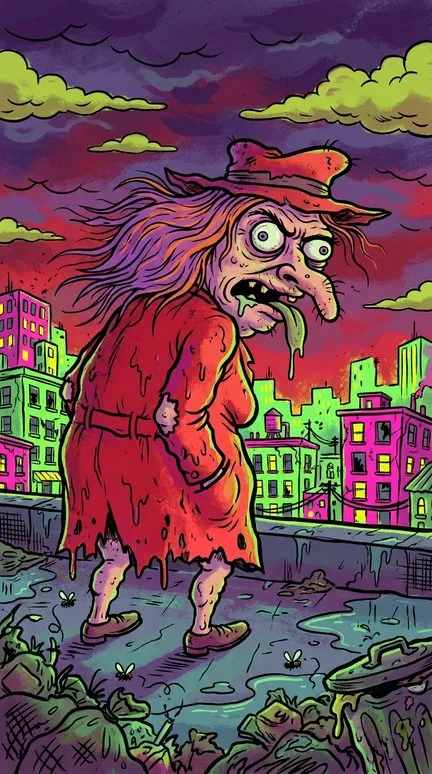 Gross-out Animation
Bulging eyes, drool, warts and neon slime: grotesque cartoon comedy for adults, horror spoofs and gross facts.
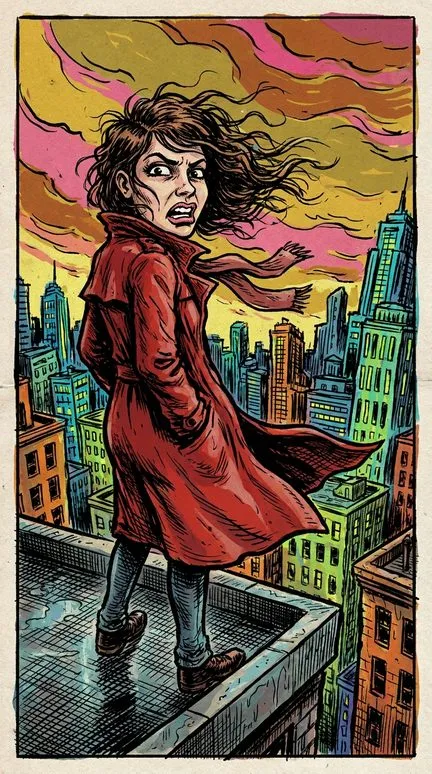 Underground Comic
Grotesque caricature, garish colour and cross-hatched ink, for satire, absurd stories and music history.
How to choose a style for your video
Start with who carries the video. If it is a narrator explaining an idea, pick a style that stays out of the way of the voice: Stickman, Kurzgesagt Style or Quirky Minimalist. Viewers of a 15-minute explainer look at the picture for the idea, not for the brushwork.
If the video is a story with a cast, you need faces that read at a glance and hold up in close-ups: 2D Animation, Classic Cartoon, Classic Comics or Manga. For drama, true crime and history retold as film, go for Cinematic, Realism or Noir.
Painted and hand-made looks, such as Watercolor, Oil Painting, Sketch, Claymation and Collage Animation, give a channel a signature that is hard to mistake for anyone else's. They suit fairy tales, poems, biographies and calm narration better than fast action.
Not sure? Run the first scene of your script in two styles. Frames cost a credit each, so a comparison costs a few credits, not an evening.
What a style changes, and what it keeps
- Changes: line, colour and light
- Outline weight, palette, shading, texture and how the light falls. Noir drops colour entirely; pixel art turns everything into a grid; watercolor lets colours bleed.
- Changes: proportions and faces
- Stickman reduces a person to a circle and lines; rubber hose makes limbs bendy; realism keeps anatomy as a camera would see it.
- Keeps: the story and the cast
- Scenes, characters, locations and their order come from your script. The characters are designed once, as reference sheets, and stay the same in every frame of that style.
- Keeps: voice and edit
- Voiceover, subtitles, music and the timeline work the same in every style, so a channel can switch looks between videos without changing how it works.
More than these 23
The studio has 100+ styles in total, including anime looks, and this page shows the 23 core ones with examples. From the Director plan up you can also build your own style from reference images: upload a few pictures in the look you want, and every frame of the story follows it.
Questions about styles
Are the examples on this page made in Insaga?
Yes. The woman in the red coat is the studio's own preview of each style, one scene drawn with every preset. The wide and vertical frames on each style page were made with the same presets, and the extra frames come from stories made in Insaga.
Can I change the style after the frames are drawn?
The style is chosen before generation and applies to the whole story. To see the same script in another look, generate it again with a different style; you can also redraw any single frame.
Do all characters stay the same within one style?
Yes. In the Characters mode every character gets a reference sheet before the scenes are drawn, and each frame is drawn from those sheets, so faces and outfits hold from the first scene to the last.
Can I get the style of a famous show or studio?
The presets are made in the spirit of well-known looks, such as flat science explainers or clay stop-motion, but Insaga is not affiliated with those studios and does not draw their characters. Invent your own heroes; the style carries the mood.
Which style is best for YouTube?
There is no single answer: explainers do well in stickman or flat vector, story channels in 2D, comics or manga, history and true crime in cinematic, noir or oil painting. The AI animation generator page matches styles to types of videos.
How do I try the styles for free?
Sign up and you get 100 free credits, no card needed. One frame costs one credit, so you can draw a scene in several styles and compare them before you pick one for the whole story.
Make with these styles
Pick a style and draw your first scene
Paste a script, choose one of 100+ styles and see your characters in it within minutes.