
AI animation styles
2D animation from a written story, drawn by AI
2D Animation is the look of a modern animated feature before it moves: confident outlines, big expressive eyes, two or three tones of soft shading and backgrounds that look painted. Give Insaga a fairy tale, an adventure or an episode of a kids' series, and every scene comes back in that look with the same cast throughout.
100 free credits · no card
How 2D Animation looks
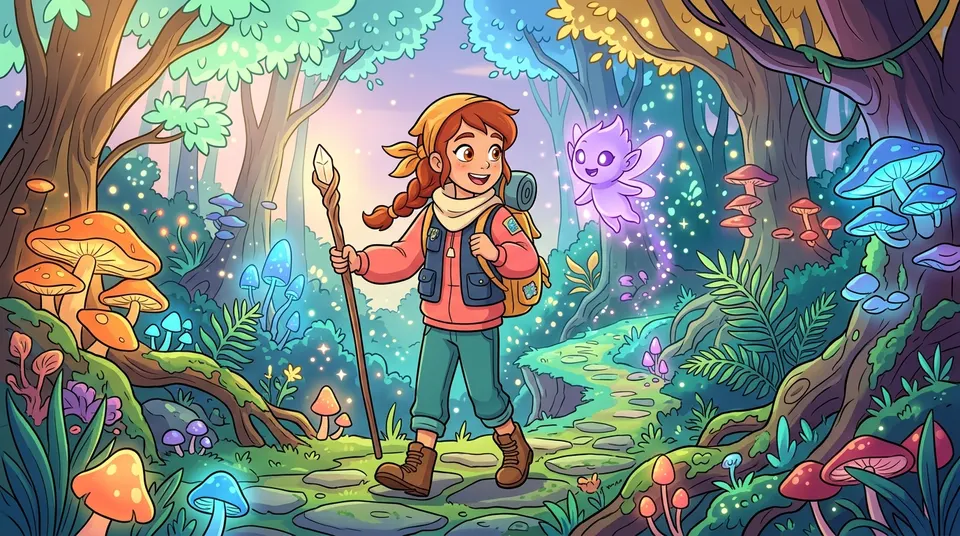
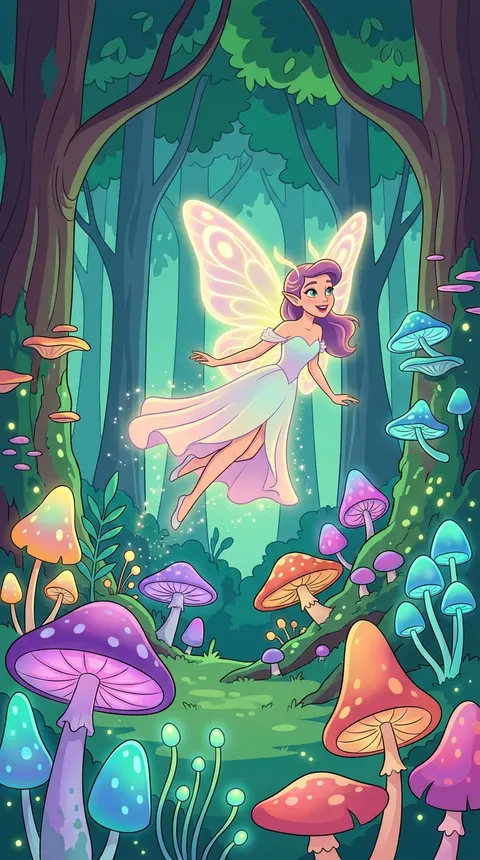
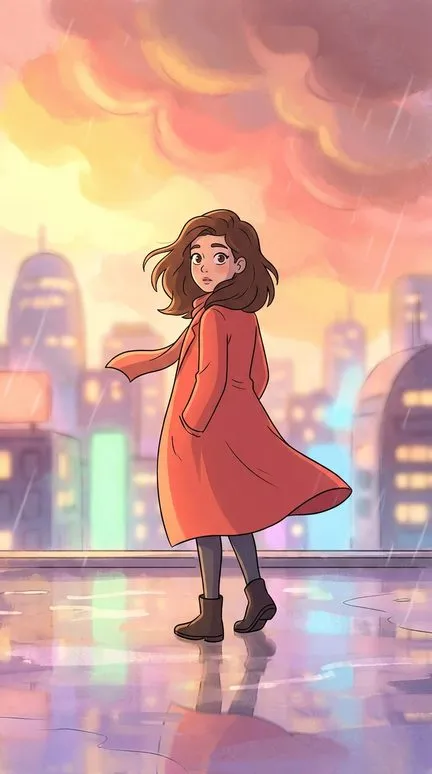
Outlines are black, of medium weight, and taper at the ends like digital ink, so every character has a clear silhouette. Color is warm and saturated: coral, sky blue, sunshine yellow, mint and lavender. Each surface gets a base color, one soft-edged shadow tone and sometimes a highlight, the cel shading of TV and feature animation rather than the flat fills of an infographic. Light falls gently from the upper left, and the mood stays warm.
Characters are stylized but not reduced to symbols. Heads take up a quarter or a fifth of the body, eyes are large with a visible iris and a catch-light, noses are small, features rounded, poses loose and driven by gesture. Backgrounds are painterly and a little soft, with washes that recall watercolor: detailed enough to place the scene, never busy enough to fight the characters. The glowing mushrooms in the forest frames show what the style does with light: it glows rather than glares. What it avoids: grit, sketchy lines, sharp anime faces and photorealism.
Where 2D Animation fits
- Fairy tales and bedtime stories
- A lost fox cub, a fairy who forgets how to fly, a girl who befriends a forest spirit. Big eyes carry the feelings a bedtime story runs on, and the warm palette keeps even the scary part gentle.
- Adventure series for kids
- A young explorer with a staff and a backpack, like the hiker in the wide frame, crossing a new land each episode. The cast keeps its faces and outfits from the forest to the mountains.
- Dinosaurs, animals and nature
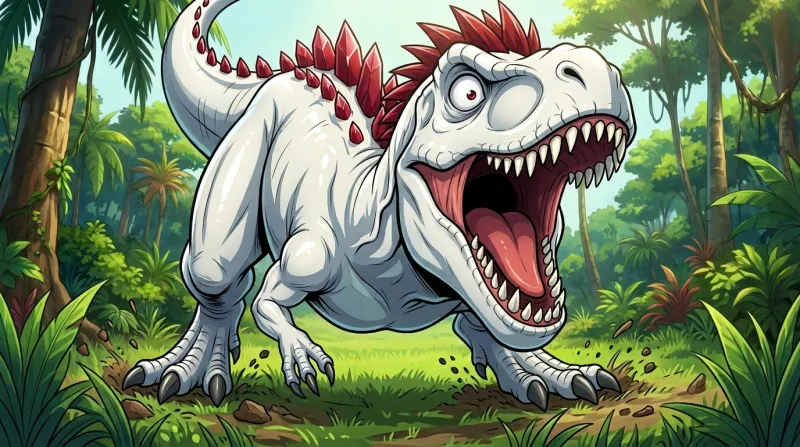
- A roaring T. rex, a day in the life of an otter. Creatures get reference sheets just like people, so the dinosaur in scene 20 still has the same red spikes.
- Stories with a drawn host
- A cartoon guide who greets viewers, walks them through a topic and reacts to what they learn. It gives a channel a friendly face without anyone on camera.
A 2D creature from a story made in Insaga
A frame from a story in this look: a white dinosaur with red spikes roaring in a jungle clearing. Bolder lines and a toothier grin than the forest scenes above, with the same clean outlines, cel shading and painted greenery.
Making a 2D animated story in Insaga
The path from a written tale to a finished episode.
Paste the tale
A page of a fairy tale or a whole book of episodes. Insaga divides it into scenes and finds the heroes and places in it.
Choose 2D Animation and a story mode
Pick the style in the “Choose a style for your story” window. Characters mode builds reference sheets for everyone who acts, animals and creatures included. If the heroes reach somewhere new in almost every scene, Dynamics mode keeps their sheets and lets the scenery change freely.
Frame it like a film
The Cinematic camera preset (Characters mode only) runs the full cycle of wide shots, close-ups and over-the-shoulder shots. Panoramic favors big landscapes, useful when the forest or the valley is half the story.
Give everyone a voice
On paid plans the narrator and each character get their own voices from 6,000+. On Studio the frames come alive as clips of about eight seconds; then come the timeline, subtitles, your music and an MP4 export.
2D Animation, Stickman, Classic Cartoon or Kurzgesagt Style
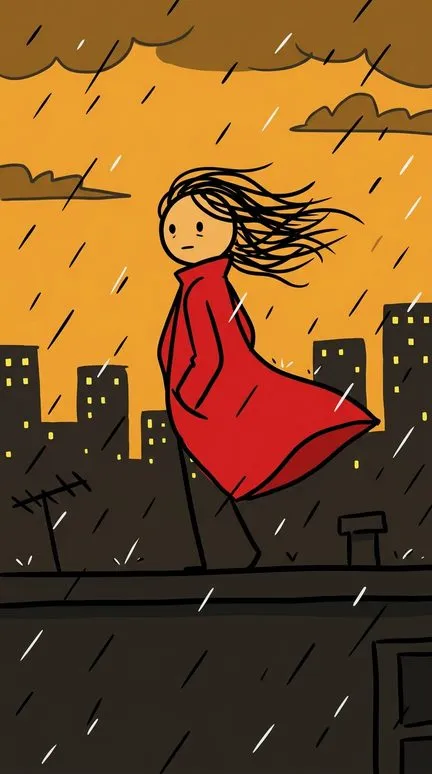
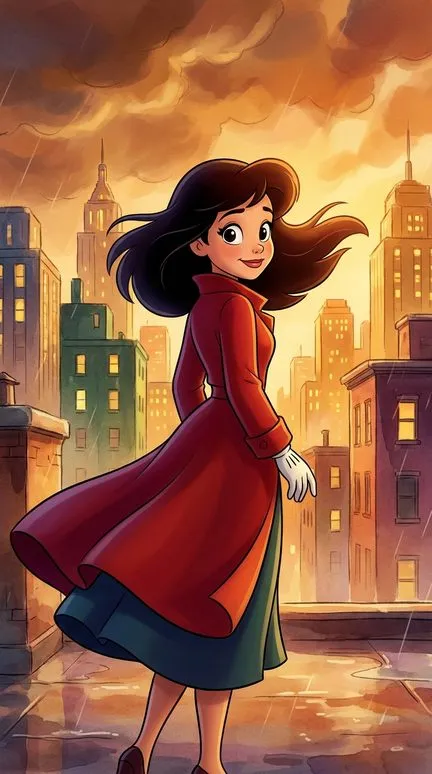
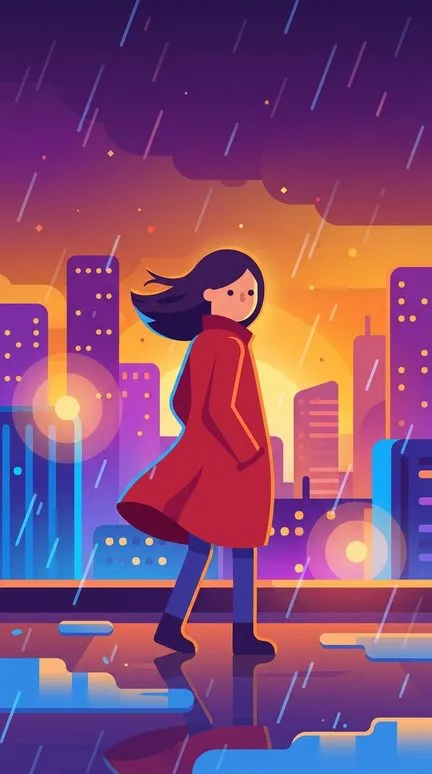
Compare the four heroines below. Stickman strips her down to a circle head and marker lines, for comedy rather than empathy. Classic Cartoon is the older relative: warmer and more golden, with white gloves, rounder cheeks and skies painted like the theatrical shorts of the 1940s. Kurzgesagt Style drops outlines altogether and builds her from flat shapes and glow, better for explaining than for feeling. 2D Animation sits in the middle: modern, clean and closest to what viewers expect from a family film today.
Writing a story that 2D can carry
Give the eyes something to do. Write what a character notices, fears or hopes for, such as “she spots a light moving between the trees and grips her staff”, and the style puts it in the face. Name the time of day and the light source wherever mood matters: dusk, lanterns, glowing moss. The painted backgrounds respond to light more than to detail.
Keep the cast readable: two or three characters in a frame, each with a color of their own, like the hiker's coral jacket and the spirit's lavender glow. A recurring place deserves a sentence of description the first time it appears.
The style is a poor fit for true crime, horror and war stories. It has no grit by design and softens whatever it touches; for those, look at the comic and noir styles.
Questions about this style
Is 2D Animation an anime style?
No. Faces are rounder and softer, eyes are big but not angular, and the shading is gentle. For black-and-white pages with an anime feel, look at Manga.
Can animals and fantasy creatures be the main characters?
Yes. In Characters mode Insaga picks out people and creatures alike and gives each a reference sheet with poses and expressions, so a talking fox or a forest spirit stays recognizable across the story.
My heroes reach a new place in almost every scene. Which mode should I use?
Dynamics. The heroes keep their reference sheets, while the surroundings are described freely for each scene instead of being fixed in advance. For a story that stays in two or three places, Characters mode with fixed locations is steadier.
Does it suit a children's channel?
The look is bright and gentle, with no gore or grit built in, so it suits children's stories. What happens in the story is up to your script, and whether a video is marked as made for kids is decided on your channel.
Can one heroine last a whole season?
Yes. Within a project she keeps her sheet in every scene, and a project can hold anything from a page to a whole book. For a new project, upload her pictures from the previous one and she returns with the same face and outfit.
Keep going
Start with a fairy tale
Paste the first chapter and pick 2D Animation. 100 free credits, no card: enough to meet your cast.