
AI animation styles
AI collage animation: cut-out paper, old photos and your script
Collage Animation builds every scene out of paper instead of drawing it: cut-out photographs, torn maps, newspaper clippings, fabric scraps and masking tape layered over cardboard. Paste a history essay, a travel story or an investigation, and each beat becomes a scrapbook page, with sepia archive tones cut through by hot pink and electric blue.
100 free credits · no card
What Collage Animation looks like
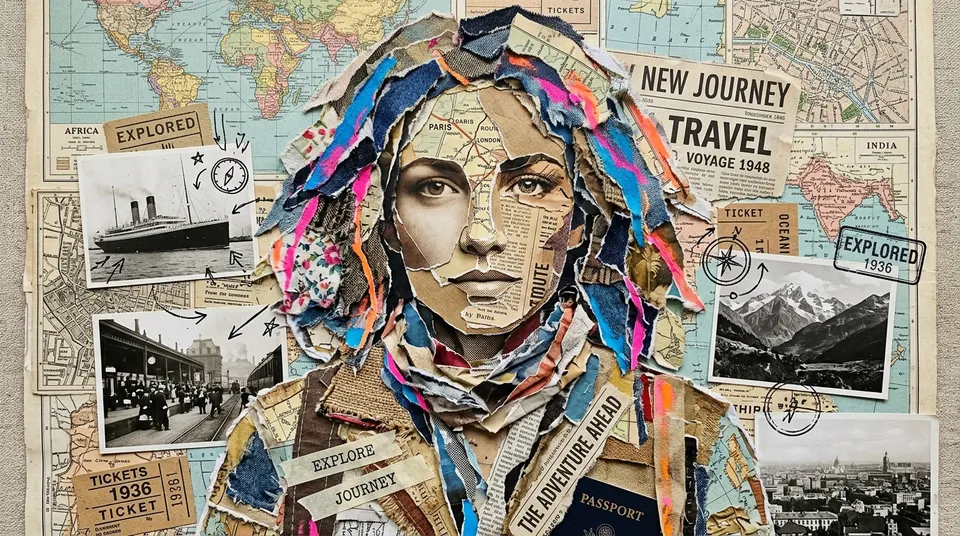
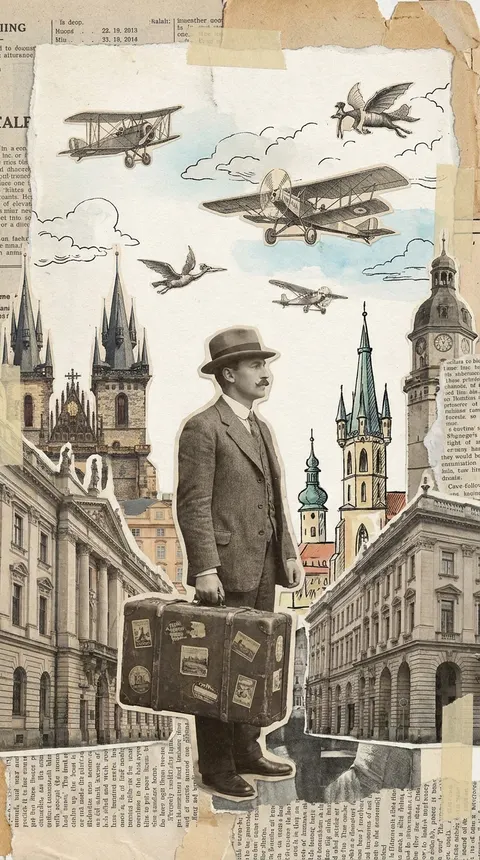
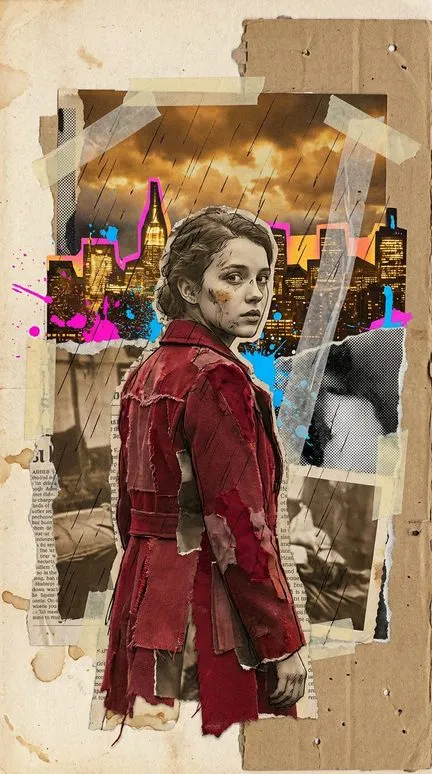
There are no drawn outlines. Shapes end where the paper was cut or torn: a clean scissor edge in one place, ragged fibre in another, and you can see the thickness of each layer. The palette sets the aged sepia and cream of old photographs and newsprint against modern accents of electric blue, hot pink and neon orange, painted or printed on top, so every frame mixes two eras on purpose.
Texture is the whole point: cut-out photographs, newspaper clippings with fragments of text, kraft paper, strips of masking tape, rubber stamps, photocopied halftone and ink doodles drawn over photos. Light comes from the source images, so it changes from layer to layer and gives the collage its slightly surreal depth. People may be photographic faces on drawn bodies or drawn figures on photographic streets, and scale jumps between layers deliberately. The ground is textured paper, cardboard or cork board with pin holes and coffee rings. Layouts are asymmetric, with rotated pieces and handwritten notes in the gaps: the tradition of Dada photomontage and punk zines.
What to make with it
- History essays and archive stories
- The 1920s, a forgotten expedition, the way a city grew. Sepia pieces feel like the archive, and the neon accents stop the video from turning into a slideshow of old photos.
- Travel and family history
- A great-grandfather's crossing to another continent, a year of letters, a route traced on a map. Tickets, stamps and maps are the style's native material, as the portrait above shows.
- Investigations and mysteries
- An unsolved case laid out on a cork board: pinned photos, clippings, notes in red in the margins. The evidence-board look suits true crime and mystery explainers.
- Music and culture video essays
- The story of an album, a subculture or a magazine. Zine aesthetics suit a narrator with opinions.
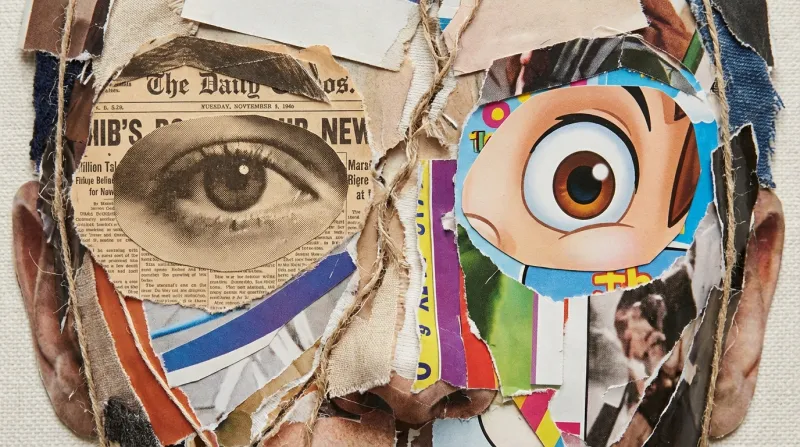
A frame from a story in this look
This frame comes from a story made in Insaga in this look: a face torn together from a newspaper photo and a page of a bright cartoon, tied with twine. It shows how far the style goes when a story is about memory or identity.
How to make a collage video in Insaga
Four steps, with the choices that suit paper and archives.
Choose the mode for your material
An essay or a history without recurring heroes runs fastest in Illustration, where each scene is illustrated straight from the text. A journey with the same travellers wants Characters. A story about ships, trains and cities, like the frames here, fits Objects, which is built around vehicles, landmarks and architecture.
Pick Collage Animation
In the “Choose a style for your story” window, pick Collage Animation. Every frame is assembled from paper, photos and tape.
Panoramic for routes and cities
The Panoramic camera favours wide shots, which gives the collage room for a map, a skyline and a few pinned photos at once.
Voice it like a documentary
Choose a narrator from 6,000+, add your music and subtitles, and export an MP4 in 1080p or 4K.
Collage Animation and its neighbours
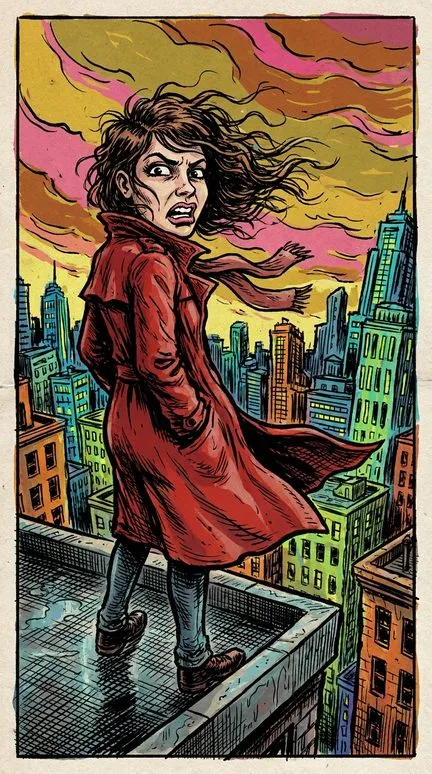
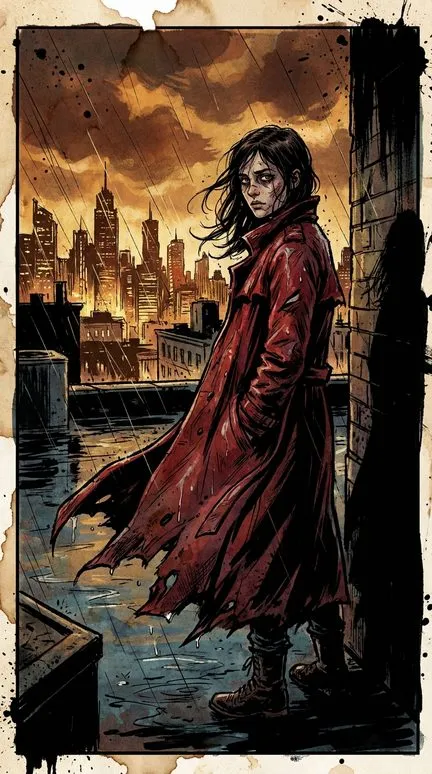
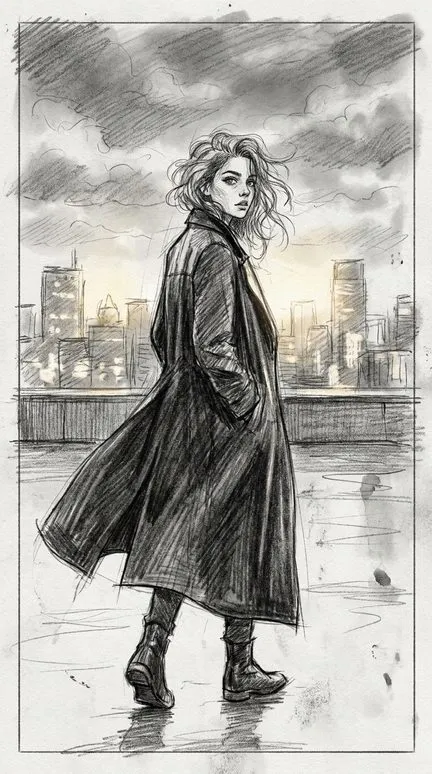
Underground Comic comes from the same zine culture but draws everything by hand: dip-pen ink, cross-hatching, grotesque caricature. Dirty Comics shares the aged paper and the stains, but spends them on dark crime panels in heavy ink. Sketch is paper too, graphite on toned paper, quiet and unfinished where collage is loud and layered. Collage Animation is the only one of the four that is assembled rather than drawn. Below, the heroine in the red coat in all four.
Writing for collage
Write the paper into the story. Tickets, telegrams, maps, stamps, a newspaper headline, a photo with a torn corner: the style turns named objects into pieces of the collage. Give each scene a date or a place, because sepia pieces look best when they belong to a particular year. Mix old and new on purpose, an archive photo with a hand-drawn arrow on it, and the frame gets two voices of its own.
Collage is busy by nature, so keep the narration unhurried and give each frame time on screen. The style is a poor fit for clean corporate explainers, for bedtime stories that should feel soft and for anything that must read instantly on a small screen. Text fragments in the collage are decoration: an “EXPLORED 1936” stamp is not a fact, so keep facts in the narration and the subtitles.
Questions about this style
Are the old photos in the frames real archive photos?
No. Every piece of the collage is generated for your story, including the parts that look like vintage photographs and newspaper pages. Nobody else's photo is pasted in, and the dates and headlines on them are decoration, not sources.
Can I put my own photos into the collage?
You can upload a picture for a character, and it is redrawn in the project's style; use images you have the rights to. For a whole look built on your own material, make a custom style from reference images, available from the Director plan up.
Is it like the cut-out animation in Monty Python?
It belongs to the same family of cut-out paper collage, along with Dada photomontage and punk zines. Insaga has no connection to those works, and the style assembles new pieces rather than copying any artist.
Will a character stay recognisable when everything is collage?
In the Characters mode the character gets a reference sheet, and the key pieces (a red coat, a face, a hat) carry over from frame to frame. Scale and light still shift between layers, because that is part of the look.
Why does the light change inside one frame?
Each layer brings the light of the picture it was cut from, so a sunny photo can sit next to a grey one. That mismatch is part of the look. If a frame comes out too chaotic, redraw just that one.
Keep going
Start your scrapbook
Paste an essay or a story, pick Collage Animation and see the first pages before you pay: 100 free credits, no card. Voiceover, animation and export are on paid plans.