
AI animation styles
AI comic book animation: your script drawn as bold, bright panels
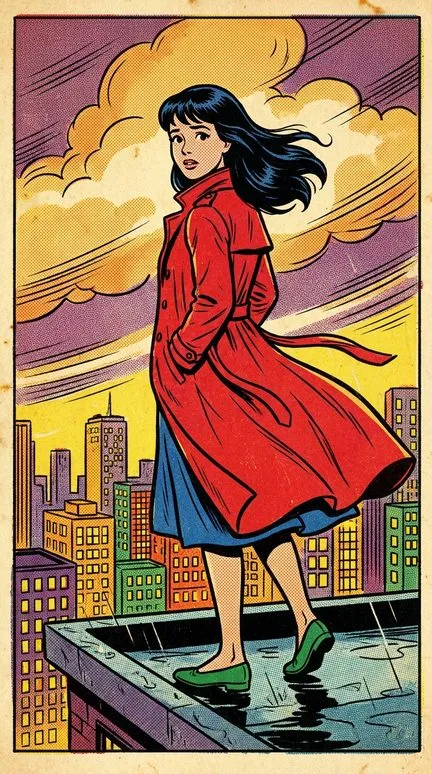
Classic Comics draws every scene as a colour panel from an action comic: thick black ink, flat fills with one hard shadow, light from the upper left. Give it a story where the hero does things (climbs, chases, rescues) and you get a video of widescreen panels with that hero unchanged from the first page to the last.
100 free credits · no card
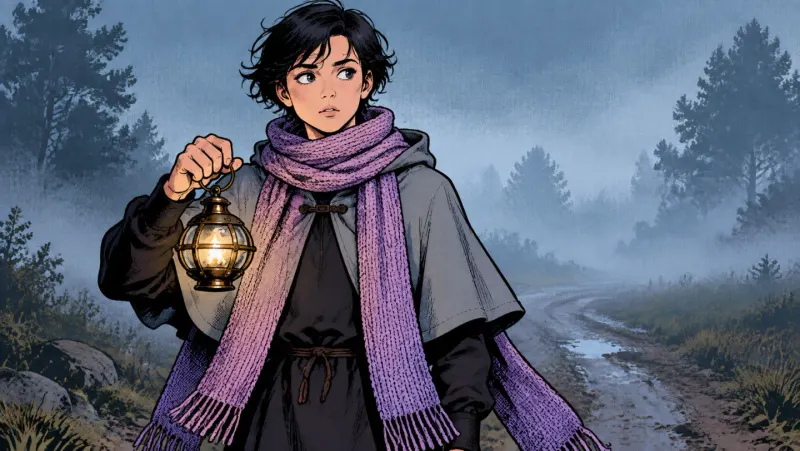
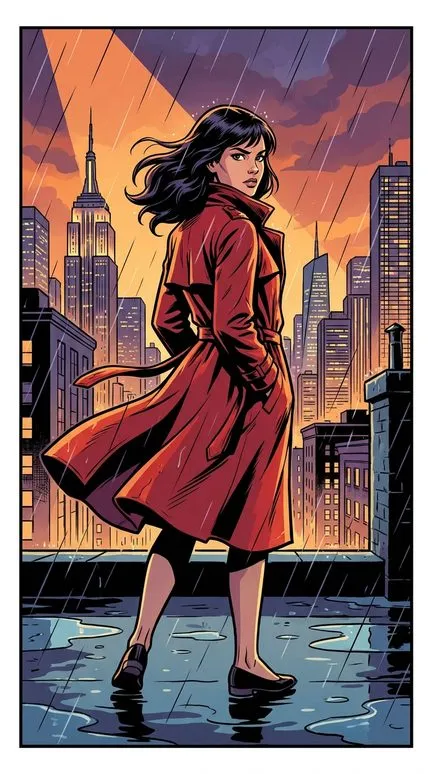
What Classic Comics looks like
The line is the first thing you notice. Every figure and object gets a confident black outline of the same thick weight, and thinner strokes inside it pick out eyes, muscle and the folds of a coat. Colour is laid in flat: each surface has a base tone and exactly one darker shadow block with a hard edge, so gradients hardly appear. The palette leans on vivid red, royal blue, yellow and emerald, with purple, orange and crimson as accents. This style is never black and white.
Light comes from the upper left and throws sharp cast shadows; a rim of light sometimes separates a hero from a dark sky. Adults are drawn at heroic proportions, seven to eight heads tall, athletic without bodybuilder bulk, with faces that read from across the room. Backgrounds are real places with perspective depth: skylines, streets, rooftops. Compositions lean on dramatic angles and foreshortening, the way a panel in an action comic would. The surface is clean digital ink with no grain and no paper texture.
What to make with it
- A superhero series of your own
- A channel built around a hero you invented: an origin episode, a rival, a city to protect. Flat bright colour makes a costume and an emblem memorable, and the reference sheet keeps the suit identical from episode to episode.
- Motion comics from a script nobody drew
- A comic you wrote but never had drawn: paste it as prose and each beat becomes a widescreen panel. A slow push-in or pan in the editor turns a still into a motion-comic shot, and on the Studio plan panels animate into clips.
- True stories told as heroics
- Rescues, record attempts, a firefighter's longest night. Heroic proportions and hard light make ordinary people look like leads without making fun of them.
- Adventure for older kids
- Clean colour, no grime and clear faces suit a family adventure: a treasure hunt, or a robot that runs away from the lab.
How to make a comic book video in Insaga
Four steps, each with the choice that matters for this style.
Write the action, then paste it
Paste the story or the narration. The Characters mode suits comics best: Insaga picks out the hero, the villain and the sidekick and draws each a sheet with poses and expressions before the first panel.
Pick Classic Comics before you generate
In the “Choose a style for your story” window, pick Classic Comics. Every frame of the story is drawn in it, so decide at this point.
Set the camera to Dynamic
The Dynamic preset mixes every shot type with low angles and tilted horizons, which is how an action comic frames a fight or a leap. For talky chapters, Portrait keeps the camera on faces.
Check the panels, then voice them
Redraw any single panel that misses; the rest stay as they are. Give the hero and the villain voices of their own from 6,000+, let a narrator carry the rest and export an MP4 in 1080p or 4K.
Classic Comics and its neighbours
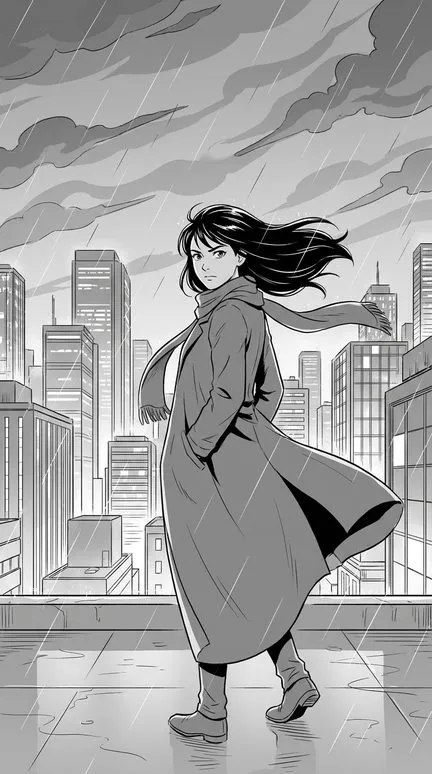
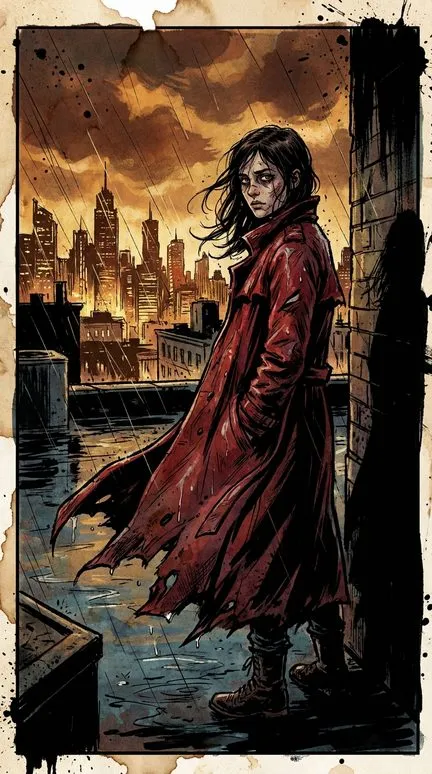
Manga drops colour altogether: black ink, grey screentone, a lighter line and faces that carry the emotion. Dirty Comics keeps the ink but roughs it up with splatter, scars and a third of each panel in shadow, for stories that should feel dangerous. Retro Comics goes back to the 1950s: flat light, halftone dots, yellowed paper and wholesome faces. Classic Comics sits in the middle, modern and clean, with real shadows and heroic bodies. Below is the same heroine in the red coat in all four.
Writing for the comic book look
Comics are built from verbs. “Mara is worried about the bridge” gives the model nothing to draw; “Mara swings on a snapped cable over the river” gives it a pose, a direction and a background. Put one clear action in each scene. Name the time of day, because the palette is at its best at sunset and at night against city lights. Describe costumes by colour and emblem so the reference sheet fixes them.
The style struggles with stillness. A long talk around a kitchen table comes out as a row of near-identical medium shots, so trim it or move the talk somewhere with a view. It is also the wrong choice when the mood should be grim and dirty (take Dirty Comics), nostalgic (Retro Comics) or black and white. And it will not draw other people's heroes: famous costumes and logos are out, so design an emblem of your own.
Questions about this style
Can I create my own superhero in this style?
Yes. Describe the costume, the colours and the emblem in the story, and Insaga draws a reference sheet that every panel follows. Recognisable heroes from existing comics are not drawn, so invent your own; it also makes the channel yours.
Will the panels have speech bubbles and sound effects?
Don't count on it. The style draws the scene as a panel, not the lettering. Dialogue goes into the voiceover and the automatic subtitles; if stray letters appear in a frame, redraw that frame.
Is there a black-and-white version?
No, Classic Comics is always in full colour. For black-and-white pages pick Manga, or Noir for film-style shadows.
How do comic panels move in the video?
In the editor any frame can take one of 12 camera moves, which gives a motion-comic feel with stills. On the Studio plan each panel is animated into a clip of about eight seconds; a pose caught mid-action gives the animation somewhere to go.
How many panels does a minute of video need?
With animated clips of about eight seconds, seven or eight panels fill a minute. Insaga splits the text into scenes, so the more happens per paragraph, the more often the panel changes.
Can the same hero come back in the next episode?
Yes, but not by itself: in the new project, upload the hero's pictures from the previous one and the hero is redrawn from them in the same style.
Keep going
Ink your first comic episode
Paste a story, pick Classic Comics and see your hero drawn before you pay: 100 free credits, no card. Animation, voiceover and export are on paid plans.