
AI animation styles
Film noir AI generator for detective stories and night-city mysteries
Noir turns a script into a black-and-white crime film: one hard light, faces half in shadow, fog and rain catching the lamps. Write the case, choose Noir, and Insaga draws every scene with the same detective, the same suspects and the same city, then voices it with a narrator.
100 free credits · no card
What the Noir style looks like
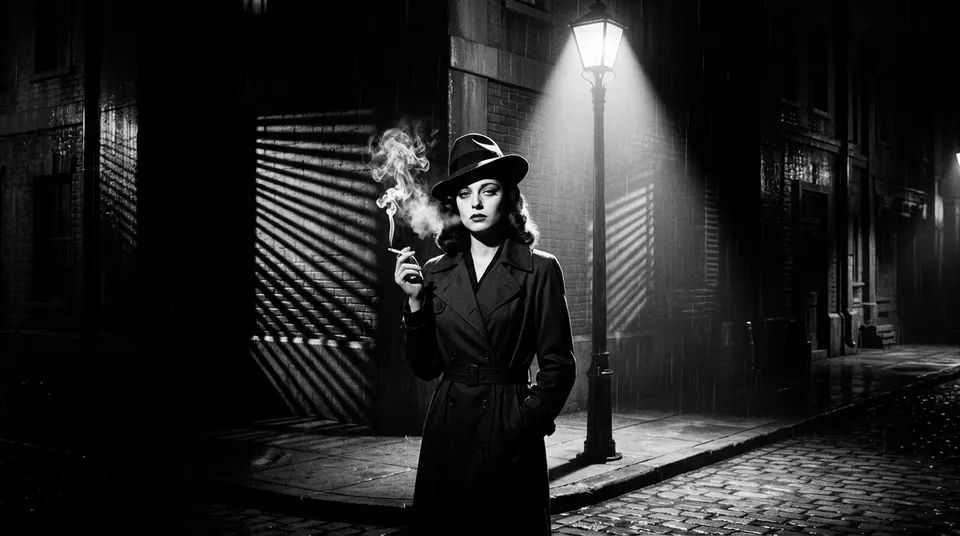
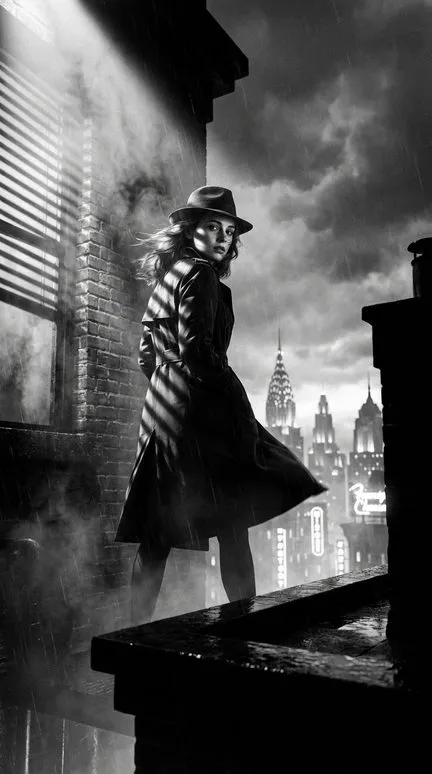
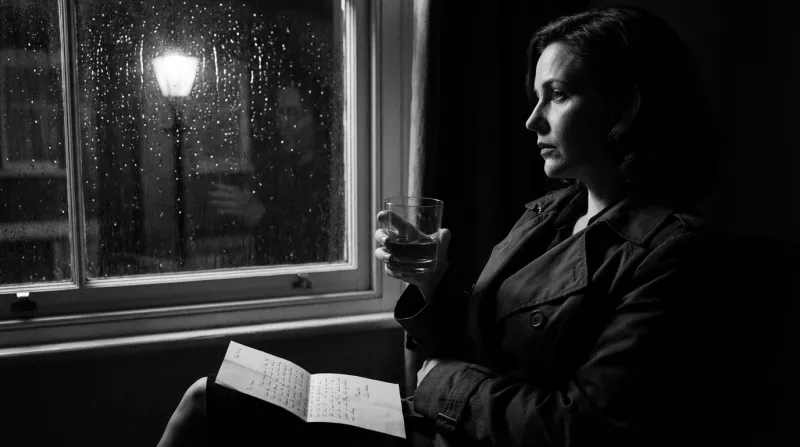
Pure black and white with extreme contrast: deep blacks fill close to half of the frame, highlights are stark white and there are few grey mid-tones. There are no outlines; forms appear where the light hits them. One strong key light from the side or above does all the work, throwing venetian-blind stripes across walls and bodies, as on the brick wall in the wide frame and across the heroine's coat. Faces are often half lit, with one eye lost in shadow.
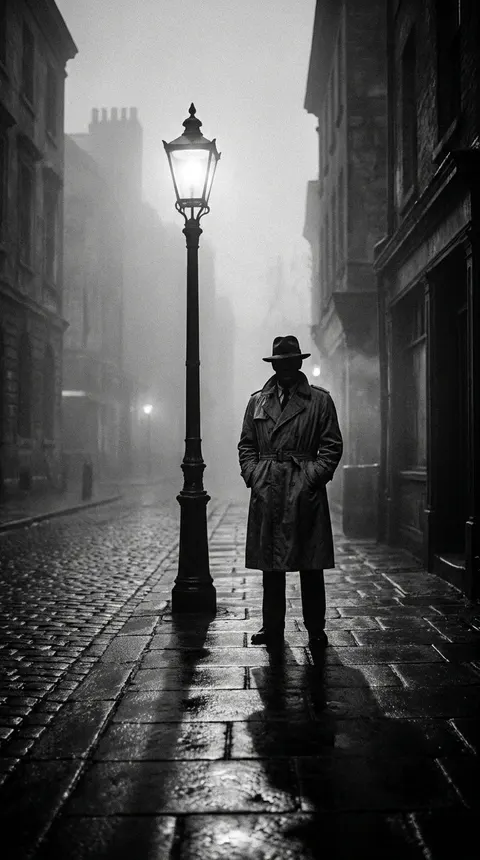
Smoke, fog and rain belong to the look because they catch light and give the frame depth. People have realistic proportions and are dressed, by default, in the 1940s: fedoras, trench coats, evening dresses. Streets are wet cobblestones with pools of lamplight, alleys, neon behind fog, art deco towers against a stormy sky. The surface imitates a silver gelatin print with a little grain. The camera favours Dutch angles, low positions and silhouettes in the foreground. The style avoids sepia, grey-tinted images and anything cartoonish.
What to make in Noir
- True crime and cold cases
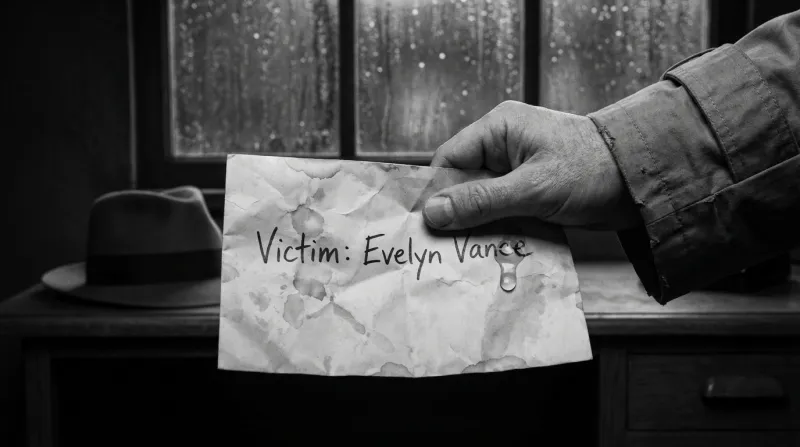
- Black and white keeps a crime story serious and restrained: a note with the victim's name, a hat left on a desk, a window streaked with rain. The frame suggests more than it shows.
- Detective series with a narrator
- Noir was made for the first-person voice-over: “She walked in at ten past midnight.” One detective, a recurring set of suspects and a city that comes back episode after episode.
- Urban legends and quiet horror
- Fog, one streetlamp and a figure that does not move. Most of the frame stays dark, and the viewer fills it in.
- Stories from the 1920s to the 1950s
- Prohibition, gangsters, wartime cities, jazz clubs. The style's default wardrobe and architecture already belong to that era.
Evidence from other cases
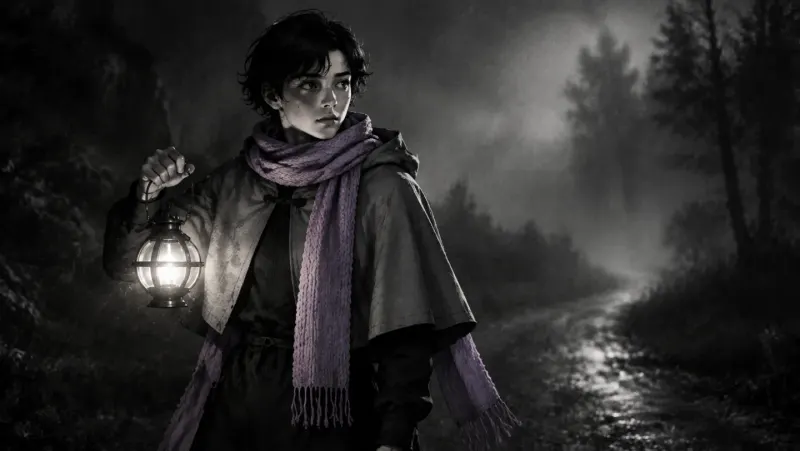
Frames from stories made in Insaga in this look: a hand holding a note with a victim's name, a woman with a glass and a letter by a rainy window, and the traveller from our short film “The Lamplighter” redrawn in Noir. His violet scarf kept a trace of color; the heroine's red coat did not.
How to make a noir video in Insaga
In black and white, light and silhouette carry what color usually does. Plan for that from the first step.
Choose Noir, then place the light
Pick Noir in the “Choose a style for your story” window and give each scene a light source: a streetlamp, blinds, a desk lamp, headlights through rain. The style needs one to work with.
Give every character a silhouette
In Characters mode everyone gets a reference sheet, but in black and white a blue suit and a green one look the same. Separate people by shape: a hat or a bare head, a long coat or a short jacket, pale hair or dark.
Use a camera that tilts
The Dynamic camera mixes all shot types, with a Dutch angle as an accent and low angles for power, which suits confrontations. The Cinematic camera gives a calmer cycle for investigation scenes.
Cast a narrator and cut to the voice
Choose a low, unhurried voice from 6,000+ for the detective's monologue and other voices for the rest of the cast. The timeline lines the scenes up with the narration; add subtitles and your music, then export.
Noir next to Dirty Comics, Cinematic and Manga
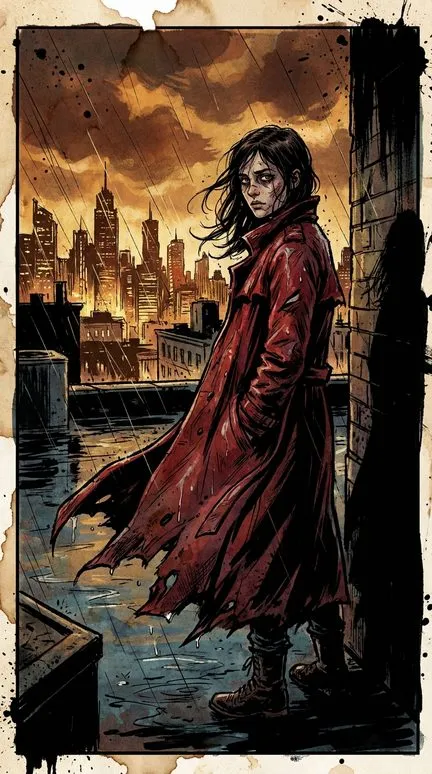
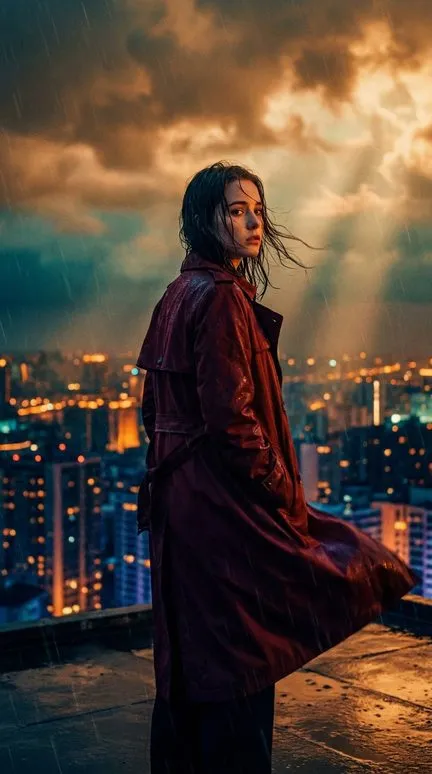
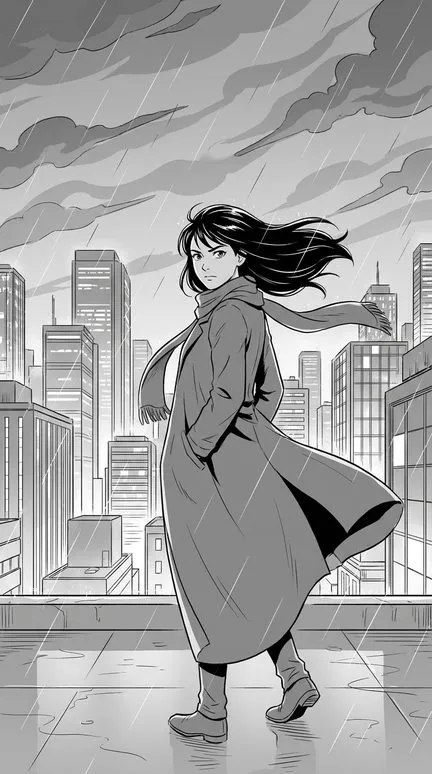
Dirty Comics likes the same crimes and back alleys, but it is drawn: gritty ink lines, rough texture and color. Noir has no lines at all, only light. Cinematic uses the same directional film lighting in color, with warm highlights, teal shadows and a modern feel; Noir strips the color and pushes the contrast until half the frame is black. Manga is black and white too, but it is ink drawing with screentones and expressive faces, while Noir looks photographed. Compare the heroine in all four below.
Writing scenes that work in Noir
Write at night, or indoors with the blinds half shut. Noir has little to do on a sunny beach or in a snowy field: bright, even light leaves it no shadows to work with. Rain, fog, cigarette smoke and wet streets give it the most.
The style leans toward the 1940s. If your story is set today, say so in each scene and describe the clothes, phones and cars; otherwise hats and trench coats will creep in. For a modern night thriller in color, Cinematic fits better.
Keep violence off screen: a gun on the table, a shadow on the wall, a hat lying on wet cobblestones. The image model's filter refuses graphic scenes, and noir has always worked best by suggestion. It is not a style for children's content or cheerful explainers.
Questions about this style
Can I keep one color, like a red coat?
Not reliably. The style is built for pure black and white, and the heroine's red coat on this page came out black. The traveller's violet scarf kept a trace of color, but that was a lucky exception, not a setting.
Will it be too dark on a phone screen?
Noir frames are dark by design. Pick a subtitle style with an outline or a background from the 31 on offer, and keep one face or object in the light in every scene, so the eye always has somewhere to land.
Can I make a detective series with the same characters?
Yes. The detective and the suspects are set up once as reference sheets and keep their faces throughout the story. For the next episode, upload their pictures from the previous one to bring them back.
Can I retell a real criminal case?
You can tell the story, but not show the real people: the studio does not draw recognisable people, and famous names are replaced with a general description. Noir copes with that well, since backs, silhouettes, hands and objects can carry a scene without a face.
What voice suits a noir narrator?
Usually a low, unhurried voice, male or female, with separate voices for the characters in dialogue. There are 6,000+ voices to choose from; voiceover is on paid plans, see pricing.
Keep going
Open the case file
Paste the first chapter of your mystery and choose Noir. The first frames will show you the city at night.