
AI animation styles
AI claymation: a plasticine film from your story
Claymation makes every frame look like a photo of a tabletop set: plasticine characters with fingerprints in the clay, props built from cardboard and felt, a warm lamp and a shallow focus. Insaga draws your story that way scene by scene and keeps each clay character the same, button eyes, hat and all.
100 free credits · no card
What makes it look like clay
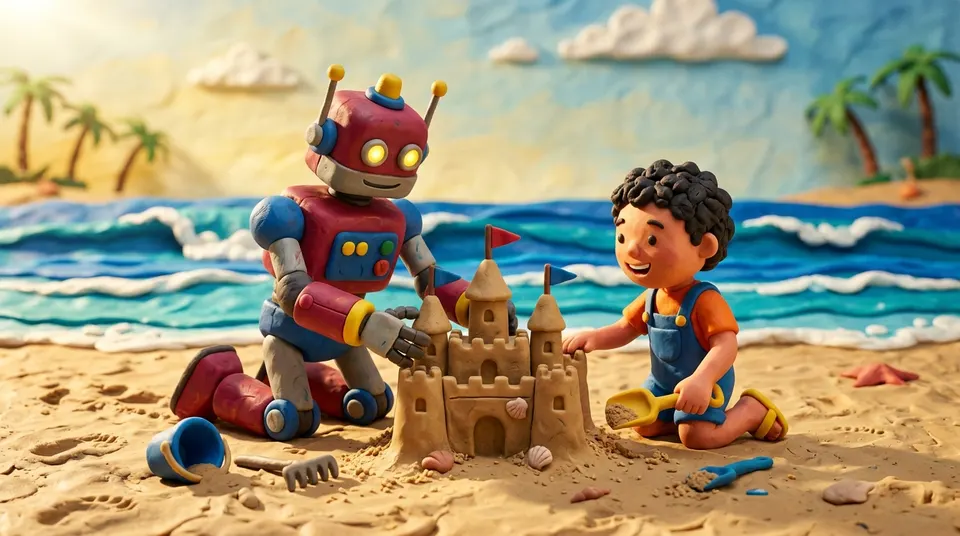
There are no drawn outlines. Forms end in sculpted edges that catch the light, and the surface is matte plasticine with fingerprints, tool scrapes and small dents that prove it was made by hand. Colors are rich clay pigments, cherry red, forest green, cobalt blue, sunshine yellow, warm brown and cream, and where two colors meet they marble slightly. Light comes from a warm studio lamp at the upper left, with soft round shadows and a visible falloff, and a macro-lens depth of field blurs the foreground and background.
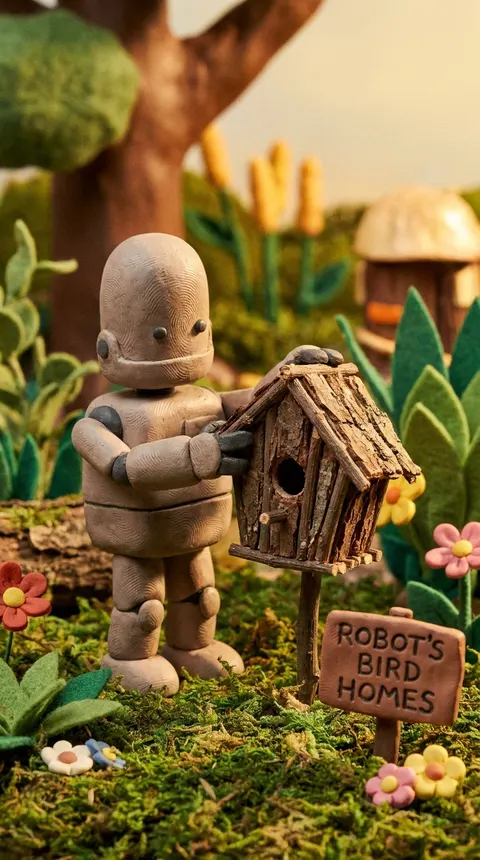
Characters are chunky: oversized round heads, bead or button eyes, wide smiles with teeth sculpted from white clay, stubby limbs and mitten hands. Nothing has a sharp edge. Sets are miniatures at an obvious tabletop scale: tiny furniture, cardboard houses, felt grass, a bark birdhouse on moss. The look is in the spirit of British clay studios such as Aardman; Insaga is not connected with them. It avoids flat 2D, digital illustration and photorealistic human faces.
What people make in clay
- Bedtime and cozy stories
- A robot who builds birdhouses, a boy and his friend at the beach. The handmade texture feels safe and slow, which is what a story before sleep needs.
- Holiday specials
- A Christmas Eve delivery that goes wrong, a snowman who wants to see summer. Clay and miniature sets have long belonged to holiday television, and warm lamplight suits winter evenings.
- Dark fables for older viewers
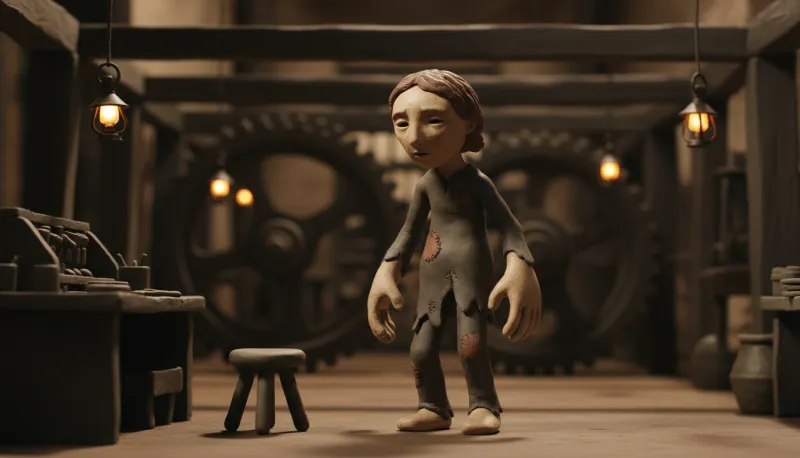
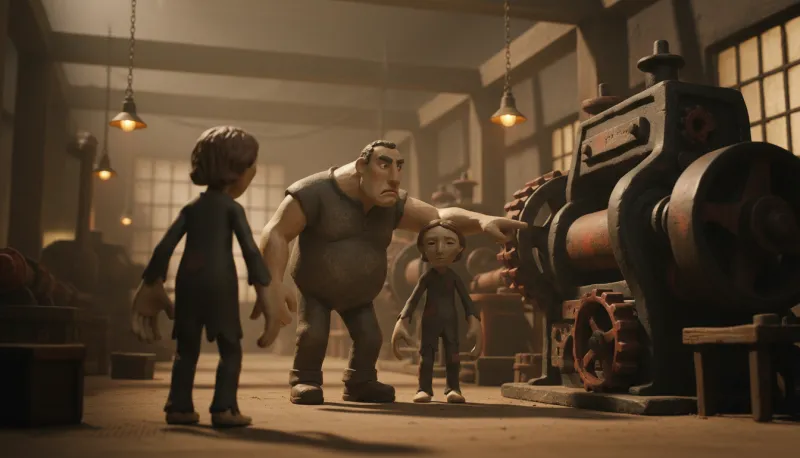
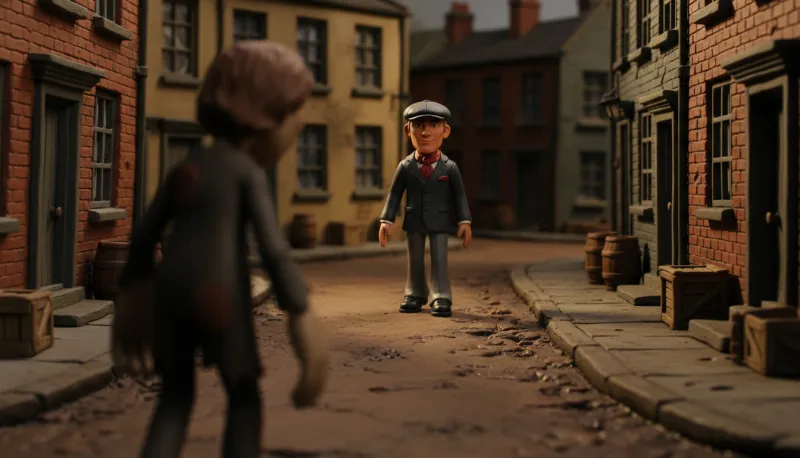
- A child in a Victorian factory, a stranger on a cobbled street. Clay can be gloomy too, as the frames below show, and the tactile look turns a grim story into a fable rather than a news report.
- Gentle explainers
- How a bee finds its way home, why bread rises. A clay presenter on a tabletop set makes a small science lesson feel handmade.
Clay frames from stories made in Insaga
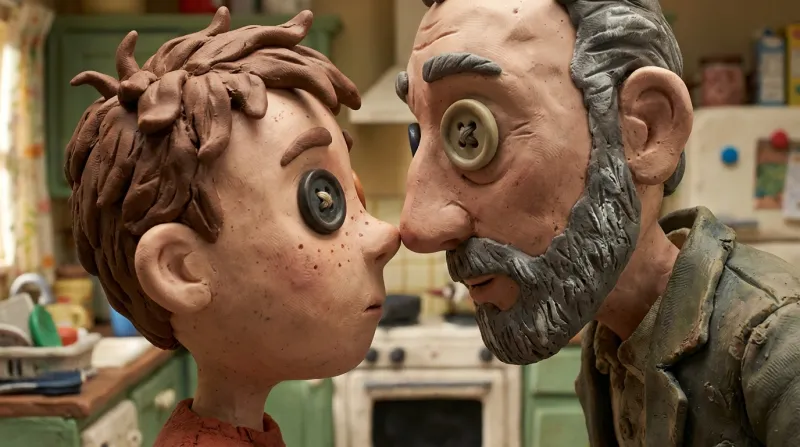
Frames from stories in this look. Three come from one gloomy tale: a ragged boy in a workshop full of gears, a hulking foreman pointing at a machine, a man in a flat cap on a brick street. The fourth is a kitchen scene, a boy and his bearded father nose to nose, both with button eyes. The palette follows the story, from beach blues to factory browns; the clay stays.
How to make a claymation video in Insaga
Four steps for a plasticine story.
Paste a story with few places
Clay works best on a handful of sets: a kitchen, a workshop, a street. Insaga splits the text into scenes and finds the heroes and locations in it; each location gets a design and returns looking the same.
Choose Claymation and Characters mode
Pick Claymation in the “Choose a style for your story” window. In Characters mode every clay figure gets a reference sheet. Check the details on it, such as buttons, a hat or a scarf, because they will appear in every scene.
Frame the faces
The Portrait camera preset favors medium close-ups and over-the-shoulder shots, where clay faces and fingerprints read best. Redraw any single frame that misses; the others stay.
Animate, voice, export
On Studio each approved frame becomes a clip of about eight seconds. On paid plans add a narrator or a voice per character from 6,000+, your music and subtitles, then export an MP4 up to 4K.
Claymation, Classic Cartoon, Realism or Rotoscopy
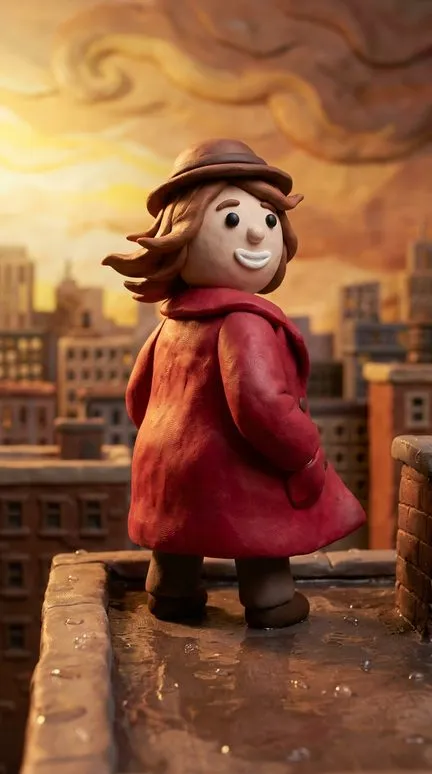
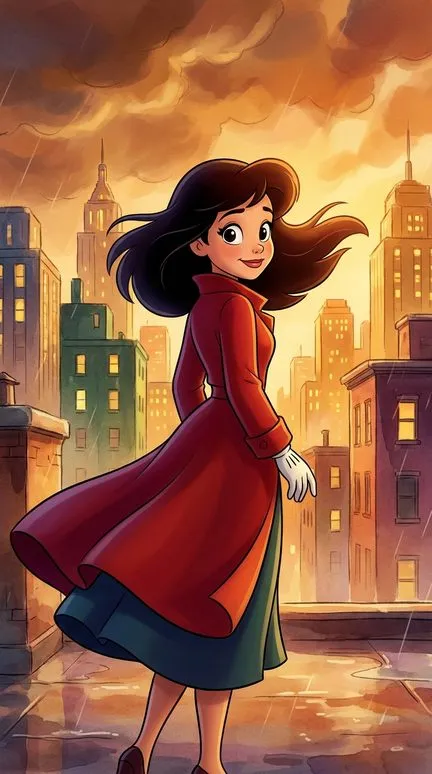
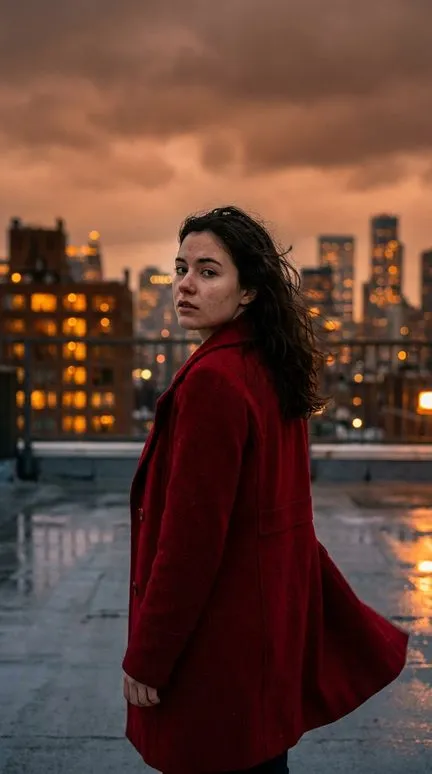
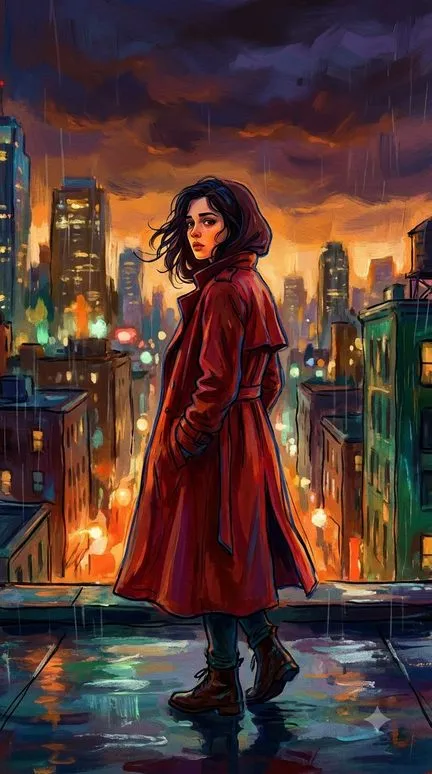
Look at the heroine in the four frames below. Classic Cartoon is claymation's drawn relative: the same warmth and rounded faces, but inked lines and painted skies instead of plasticine. Realism is the opposite pole, a real-looking young woman on a real rooftop, for stories that must feel true. Rotoscopy paints over realistic figures with loose, glowing brushwork, like a moving painting. Claymation is the only one of the four that looks physically made: you can almost see the lamp and the fingerprints.
Writing for a miniature set
Describe places as if someone had to build them on a table: a cardboard house with a felt roof, a bottle-cap table, a sea of blue clay waves. The more concrete and handmade the objects in your text, the more convincing the set. Name the light, a desk lamp, a window at sunset, lanterns on chains, because clay depends on it.
Keep scenes small: two or three characters, close enough to see their faces. Clay rewards close-ups and quiet moments, a look, a hand on a shoulder, more than sweeping action.
Avoid huge crowds, epic battles and wide cityscapes: at miniature scale they turn to mush. And do not expect realistic human faces; the style sculpts everyone into a puppet on purpose. For a story that needs real people, choose Realism.
Questions about this style
Will it move like real stop-motion?
Not exactly. On the Studio plan each frame is animated into a clip of about eight seconds by a video model rather than moved by hand frame by frame, so the motion is usually smoother than the stepped rhythm of classic stop-motion. The clay, the set and the light stay.
Can claymation be dark or scary?
Yes, within reason. The frames from the factory story above have a gloomy palette, dim lamps and hard faces. The clay softens things, so the result feels like a dark fable rather than horror.
Can my clay characters look like famous ones?
No. The studio will not draw recognizable characters from other films, clay or otherwise. Invent your own: a boy with a curly mop, a robot with antennae, a dog with one floppy ear. Once they are on a reference sheet, they stay the same.
Which image model should I use?
Nano Banana 2, the default, or GPT Image 2.5. Both keep characters consistent in Characters mode, which is what a clay cast needs. Nano Banana Pro works only in Illustration mode, without character sheets.
Why are the edges of the frame slightly blurred?
On purpose. The style imitates a macro lens on a tabletop set, so the foreground and background soften and the eye goes to the character. That blur is a large part of what makes the set read as a miniature.
Keep going
Build your first clay set
Paste the story and pick Claymation. The first 100 credits cost nothing and need no card.